
Bioness Services in NE Calgary
Guiding your movement journey with innovation and dedicated personal support
- Direct billing to most extended health plans
- Same-day appointments most weekdays
- No referral needed
- Free parking at Cityscape Square NE
Book an Appointment
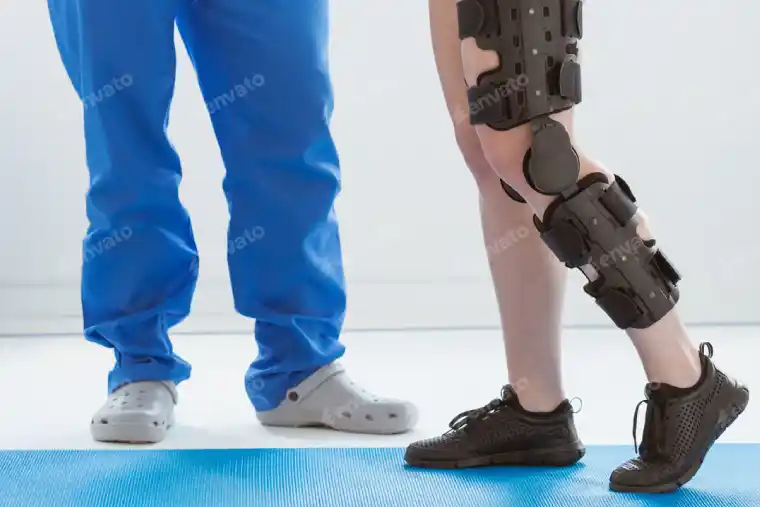
Restoring your freedom, strength, and independence; one step at a time, together.
Bioness Services in Calgary at Apollo is designed to support functional movement, improve muscle activation, and encourage repetitive practice during recovery. We combine Bioness technology with individualized physiotherapy programs to help people regain mobility and improve participation in everyday activities.
Our physiotherapists carefully assess movement patterns, functional goals, and recovery progress to determine whether Bioness technology may be an appropriate addition to rehabilitation.
Why Choose Bioness Technology for Rehabilitation?
- Comprehensive functional assessments
- Individualized physiotherapy programs
- Bioness-assisted rehabilitation sessions
- Home exercise education
- Progress monitoring and treatment modifications
- Collaborative care with massage therapy and chiropractic services
- Gait and balance retraining
- Upper limb rehabilitation
- Functional movement practice
Bioness Systems We Offer
The Bioness H200 Wireless Hand Rehabilitation System is an ergonomically designed orthosis engineered to improve upper extremity function and hand mobility.
- How it Works: The light cuff wraps comfortably around your wrist and forearm, communicating wirelessly with a handheld control unit. Built-in electrodes deliver targeted electrical pulses to activate the specific nerves responsible for opening, closing, and stabilizing your hand.
- Functional Tasks: Our occupational therapists and physiotherapists integrate this device during task-specific therapy to assist with grasping, holding, and releasing everyday objects.
Features of the H200 System
- Wireless design
- Comfortable forearm orthosis
- Multiple stimulation programs
- Functional hand opening and closing
- Task-oriented training
- Adjustable stimulation levels
- Portable for clinic-based rehabilitation
Foot drop, a condition where it becomes difficult to lift the front portion of the foot while walking, is one of the lower limb mobility issues that the Bioness L300 foot drop system addresses.
- How it Works: Worn comfortably below the knee, the lower cuff utilizes 3D motion-sensing technology to track your gait in real time. As you lift your leg to take a step, the sensor triggers precise electrical stimulation to the peroneal nerve, flexing your ankle upward (dorsiflexion) so your toes clear the ground smoothly.
- Thigh Cuff Extension: For individuals experiencing knee instability or thigh muscle weakness, an optional thigh cuff can be integrated to support knee flexion and extension.
Features of the L300 Foot Drop System
- Wireless functional electrical stimulation (FES)
- Lightweight lower leg cuff
- Gait-responsive stimulation
- Intelligent step detection
- Adjustable stimulation settings
- Portable and rechargeable design
- Supports natural walking patterns
- Comfortable daily wear design
Repeated practice helps reinforce movement patterns while encouraging greater participation during rehabilitation.

Conditions Treated with Bioness Systems
Applying the Bioness H200 for stroke survivors helps re-educate forearm and hand muscles, manage spasticity, reduce joint stiffness, and facilitate functional use of the affected arm during daily activities.
Using the Bioness L300 for MS addresses fatigue-related walking difficulties and foot drop, helping improve walking stability, conserve energy, and support longer periods of mobility.
Functional electrical stimulation helps activate weakened muscles below the level of an incomplete spinal cord injury, supporting walking, standing, and upper limb function where appropriate.
Supports improved movement coordination, gait mechanics, hand function, and functional mobility following neurological injury.
Assists with gait alignment, foot clearance, balance, and upper limb functional engagement to encourage more efficient movement patterns.
The Bioness L300 helps individuals experiencing foot drop due to neurological disorders improve toe clearance during walking, reducing the risk of tripping and supporting a more natural gait.
The Bioness H200 and L300 can support individuals with weakness affecting one side of the body by promoting coordinated arm, hand, and leg movement during functional activities.
Functional electrical stimulation may assist muscle activation and support rehabilitation when appropriate nerve pathways remain responsive, and treatment is clinically indicated.
Following certain neurological surgeries, Bioness systems may be incorporated into rehabilitation programs to encourage muscle re-education and restore functional movement.
The Bioness H200 helps facilitate hand opening, grasp, and release activities for individuals experiencing reduced hand function after neurological conditions.
The Bioness L300 supports improved walking mechanics, ankle control, and step consistency for individuals with neurological gait abnormalities.
When muscle activation contributes to instability, Bioness technology may be integrated into rehabilitation to improve walking confidence, coordination, and functional mobility.
Key Benefits of Bioness Functional Electrical Stimulation
Incorporate Bioness technology into your routine to unlock noticeable physical and operational benefits:
Retrains brain-to-muscle communication through repetitive, active stimulation.
Localized electrical impulses stimulate tissue, increasing blood flow to affected extremities.
Prevents tissue deterioration in non-active limbs by engaging inactive muscle groups.
Gentle, continuous pulse cycles aid in relaxing tight, involuntary muscle spasms.
Smooth ankle flexion eliminates tripping hazards caused by foot drag, providing confidence over uneven terrain, ramps, and stairs.
Can serve as a dynamic alternative to bulky traditional Ankle-Foot Orthoses (AFOs) or Knee-Ankle-Foot Orthoses (KAFOs).
Integrated Rehabilitation Care with Bioness
If appropriate, we determine whether Bioness can be incorporated into your rehabilitation plan.
- Gait and balance training
- Neuromuscular re-education
- Strength and mobility exercises
- Functional movement practice
- Endurance training
- Home exercises
Where appropriate, chiropractic care may support joint mobility, posture, and movement efficiency.
Every rehabilitation program begins with a detailed evaluation.
Our physiotherapists assess:
Accordion
- Medical history
- Functional goals
- Walking ability
- Balance
- Muscle activation
- Joint mobility
- Hand function
- Grip ability
- Coordination
- Strength
- Functional independence
Insurance Coverage
At Apollo Physiotherapy, we work with many extended health benefit providers and direct billing options where available. Coverage for physiotherapy services depends on your individual insurance plan. Patients often ask whether Bioness L300 covered by insurance applies to their situation. Coverage for Bioness-related rehabilitation or equipment varies between insurance providers and benefit plans.
Our administrative team can help review available information, discuss billing options, and assist with insurance documentation whenever possible. If you are searching for a Bioness L300 near me in Calgary, our dedicated team at Apollo Physiotherapy is ready to guide your rehabilitation journey.
Bioness Equipment Provided by In Step Physical Therapy
he Bioness equipment used for rehabilitation is provided by In Step Physical Therapy. The available Bioness systems at Apollo Physio are:
Bioness H200 Wireless Hand Rehabilitation System for upper-limb and hand rehabilitation
Bioness L300 Foot Drop System to support gait and foot-drop rehabilitation

What Our Community Says About Their Path to Recovery
Highly recommend this place for Physio & Massage. Physiotherapist Harmandeep is very talented & skilfully person. Got well sooner than i expected. Staff Amitsha is very supportive. Great customer service. Thank you Apollo physio team.
Anu Tresa George
I started visiting Ramesh Bimagani after a motor vehicle accident that caused pain in my shoulders and lower back. From the very first session, he was extremely professional, kind, and attentive. He took the time to understand my condition and explain everything clearly, which helped me feel confident and supported throughout the recovery process. Ramesh created a personalized treatment plan that focused on relieving my pain and improving mobility. His hands-on techniques and guided exercises made a huge difference — I could feel the improvement after just a few sessions. He’s patient, encouraging, and truly dedicated to helping his clients heal. Thanks to Ramesh, my shoulder and back pain have improved significantly, and I feel much stronger and more active again. I would highly recommend Ramesh Bimagani to anyone looking for an experienced and compassionate physiotherapist.
M Maan
Meet Our Dedicated Rehabilitation Team
Our clinic brings together compassionate healthcare professionals who are committed to understanding your personal recovery goals. Each physical therapist brings unique clinical insights to ensure you receive balanced, comprehensive care during every visit.

Ramesh Bimagani
Physical Therapist
As our clinic director, Ramesh utilizes over 15 years of dedicated experience to support your health. Affiliated with major provincial boards, he focuses heavily on customized care pathways. Away from the clinic, he stays active by playing cricket, badminton, and hiking.

Vaidarbhi Patel
Physical Therapist
Vaidarbhi focuses on understanding each individual's unique movement history. She implements evidence-informed techniques to address functional limitations, restore joint mobility, and provide custom strategies to ensure long-term physical wellness for all her patients.

Harmandeep Singh
Physical Therapist
Harmandeep passionately values structural recovery through education and custom exercise prescriptions. He provides detailed post-injury guidance, empowering his patients with the specific mechanical knowledge required to avoid future physical strain.
Frequently Asked Questions
About Bioness Services in Calgary
Physiotherapy helps restore joint stability, strength, flexibility, and functional movement following a ligament injury. Treatment often progresses through stages that address swelling, mobility restrictions, balance deficits, and gradual return to normal activities while promoting safe tissue recovery.
Recurring muscle strains may indicate underlying weakness, flexibility limitations, movement compensations, or biomechanical issues. Physiotherapists identify contributing factors and develop rehabilitation programs that focus on strengthening affected areas, improving movement patterns, and reducing reinjury risks.
Once medically cleared, physiotherapy may include mobility exercises, strengthening programs, balance training, joint mobilization, and functional movement retraining. These interventions help restore physical function, improve confidence in movement, and address stiffness resulting from immobilization periods.
Extended inactivity may contribute to muscle weakness, reduced flexibility, joint stiffness, and decreased endurance. Physiotherapy uses gradual rehabilitation programs that encourage safe physical progression while helping individuals regain mobility, strength, and confidence in daily activities.
Physiotherapists design progressive rehabilitation programs that focus on movement control, strength, endurance, flexibility, and activity-specific exercises. This approach helps individuals prepare for the physical demands of recreational activities while addressing factors that may increase reinjury risks.
Workplace Injury and Ergonomic Rehabilitation
Repetitive movements can contribute to muscle fatigue, joint irritation, and movement dysfunction. Physiotherapists assess work-related demands and provide strengthening exercises, movement modifications, and ergonomic recommendations to reduce physical stress while improving workplace function and comfort.
An ergonomic assessment examines workstation setup, body positioning, repetitive movements, lifting techniques, and task demands. Physiotherapists identify physical risk factors and recommend adjustments that support safer movement patterns and reduce unnecessary strain during work activities.
Yes. Prolonged standing may contribute to lower back discomfort, leg fatigue, joint stiffness, and postural stress. Physiotherapists can recommend strengthening exercises, stretching routines, movement strategies, and workplace modifications to improve physical tolerance and reduce strain.
Return-to-work rehabilitation focuses on restoring physical abilities needed for job duties. Physiotherapists assess functional capacity, identify physical limitations, and create progressive rehabilitation programs that help individuals safely transition back into workplace responsibilities.
Early rehabilitation may help address movement limitations, muscle weakness, and mobility restrictions before they become more significant. Prompt intervention often supports functional recovery and may reduce the likelihood of prolonged physical limitations affecting work performance.
Motor Vehicle Accident Rehabilitation
Motor vehicle accidents may affect muscles, joints, ligaments, and movement coordination. Physiotherapy focuses on restoring mobility, improving flexibility, strengthening affected areas, and gradually rebuilding physical function through individualized rehabilitation programs.
Individuals may experience neck stiffness, back discomfort, reduced mobility, muscle tension, balance changes, headaches, or functional limitations. Physiotherapists assess these concerns and develop treatment plans designed to improve movement and support overall recovery.
Many individuals become hesitant to move normally after an injury. Physiotherapists use gradual exercise progression, functional retraining, and movement education to help patients rebuild physical confidence while safely increasing activity levels.
Yes. Some individuals experience dizziness, balance difficulties, or coordination changes following an accident. Physiotherapists may incorporate vestibular rehabilitation and balance training exercises to improve stability and support safe participation in daily activities.
Recovery timelines may vary depending on injury severity, physical condition, treatment consistency, functional goals, and individual healing responses. Physiotherapists continuously monitor progress and modify treatment plans to align with changing rehabilitation needs.
Vestibular Rehabilitation and Balance Care
A vestibular assessment may include evaluations of eye movements, balance control, walking patterns, positional responses, and coordination. These findings help physiotherapists identify contributing factors and develop individualized treatment programs to address specific balance concerns.
Yes. Age-related changes in balance, coordination, and sensory systems may increase fall risk. Vestibular rehabilitation can improve stability, movement confidence, and functional mobility through targeted exercises designed to challenge and strengthen balance systems.
The vestibular system collaborates closely with the movement and vision systems. Head and eye movement exercises help improve communication between these systems, supporting better balance control, gaze stability, and adaptation to movement-related challenges.
Progress depends on the underlying condition, symptom severity, and exercise participation. Many individuals notice gradual improvements in balance, stability, and dizziness management over time as their rehabilitation program progresses and adapts to recovery milestones.
Yes. Vestibular physiotherapy often includes gait training, balance exercises, and movement retraining strategies that improve walking stability, coordination, and confidence during both indoor and outdoor activities.
Pelvic Floor Physiotherapy
Pregnancy and childbirth can have an impact on posture, core function, and pelvic floor muscles. Pelvic floor physiotherapy focuses on restoring muscle coordination, improving strength, supporting recovery, and helping individuals return to daily activities comfortably and safely.
The pelvic floor works closely with abdominal, back, and breathing muscles. Assessing core function helps physiotherapists identify movement patterns and muscular imbalances that may influence pelvic floor performance and overall physical stability.
Yes. Physiotherapists can assess pelvic floor function and develop progressive exercise strategies that support safe return to physical activity while promoting strength, stability, and movement confidence during exercise participation.
Breathing mechanics influence pressure management within the abdomen and pelvis. Physiotherapists often incorporate breathing exercises into treatment plans to improve muscular coordination and support efficient movement patterns during daily activities.
Treatment plans are developed based on symptoms, activity levels, movement assessments, personal goals, and physical findings. This individualized approach helps ensure rehabilitation strategies are relevant to each person's unique needs and lifestyle.
Surgical Rehabilitation and Functional Recovery
Pre-surgical rehabilitation may help improve strength, mobility, endurance, and overall physical preparedness. Entering surgery with better physical function can support postoperative rehabilitation and help individuals resume activities more effectively after recovery.
Post-surgical physiotherapy focuses on restoring mobility, rebuilding strength, improving movement quality, enhancing functional independence, and helping individuals gradually return to daily, recreational, and occupational activities according to recovery guidelines.
After surgery, individuals may unconsciously alter movement patterns to avoid discomfort or weakness. Physiotherapists identify compensations and implement corrective exercises that encourage balanced movement and proper functional mechanics during recovery.
Functional rehabilitation emphasizes movements required for everyday activities such as walking, climbing stairs, lifting, reaching, and transitioning between positions. Programs are tailored to restore practical physical abilities necessary for independent daily living.
Progressive strengthening helps rebuild muscle capacity gradually while respecting healing tissues. Structured progression allows individuals to safely improve physical function, enhance stability, and prepare for increasing activity demands throughout the rehabilitation process.